


22 May 2025 marked a turning point in Guatemala's logistics history. With the signing of an agreement between the Guatemalan and US governments; a roadmap was activated to modernise Puerto Quetzal and Santo Tomás de Castilla and evaluate the reactivation of the national railway. This announcement; made days before the National Business Meeting (Enade 2025); is no coincidence: it responds to growing pressure from the business sector to resolve the millions in losses resulting from the country's obsolete port; road and rail infrastructure.

An economy stalled by its own logistics
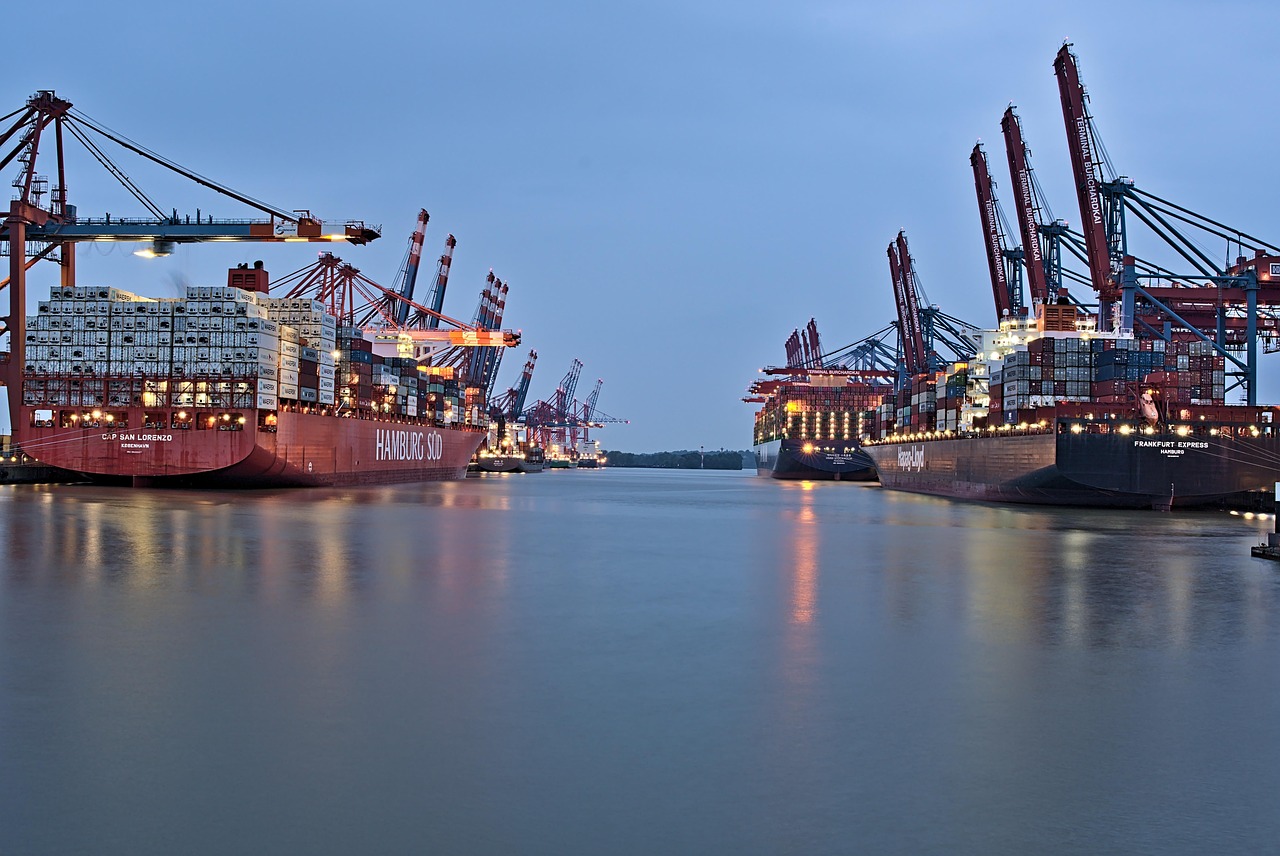
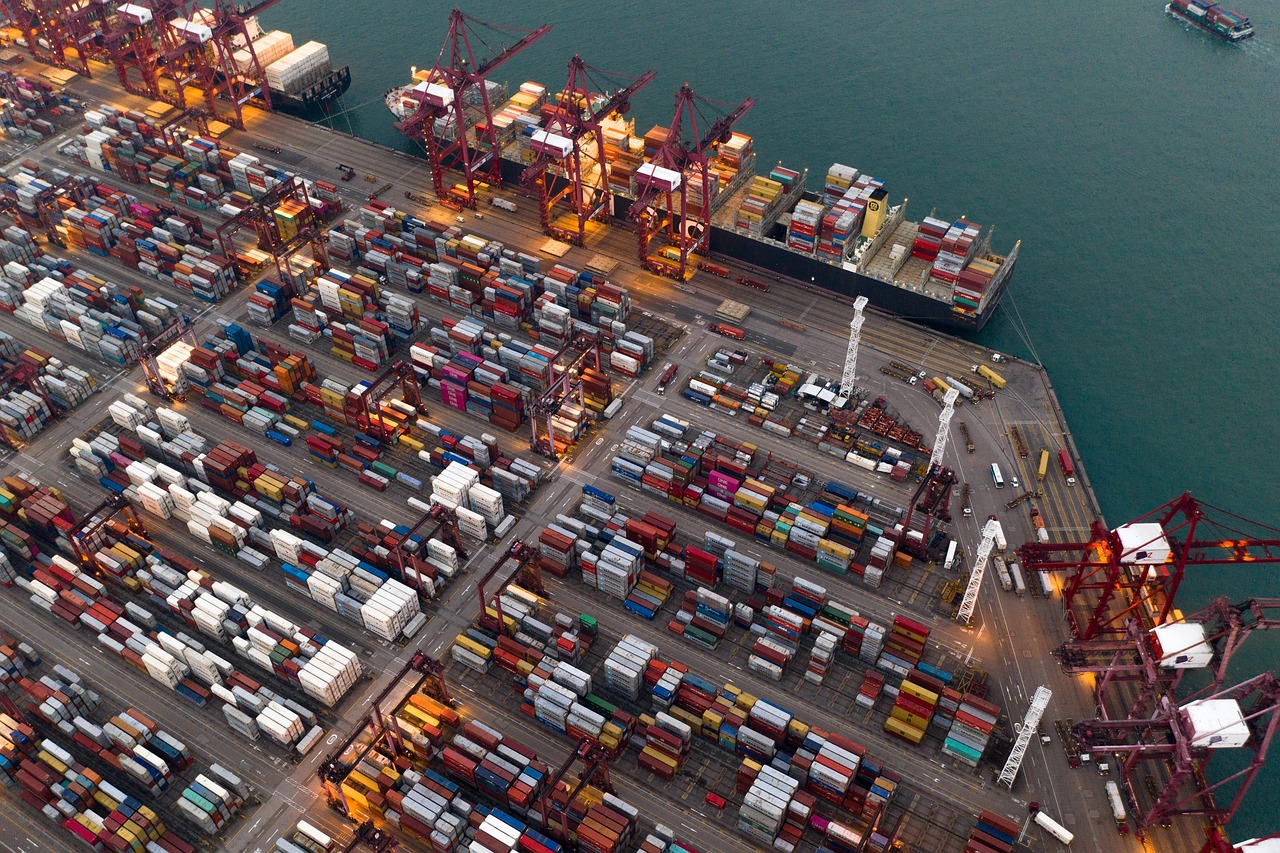
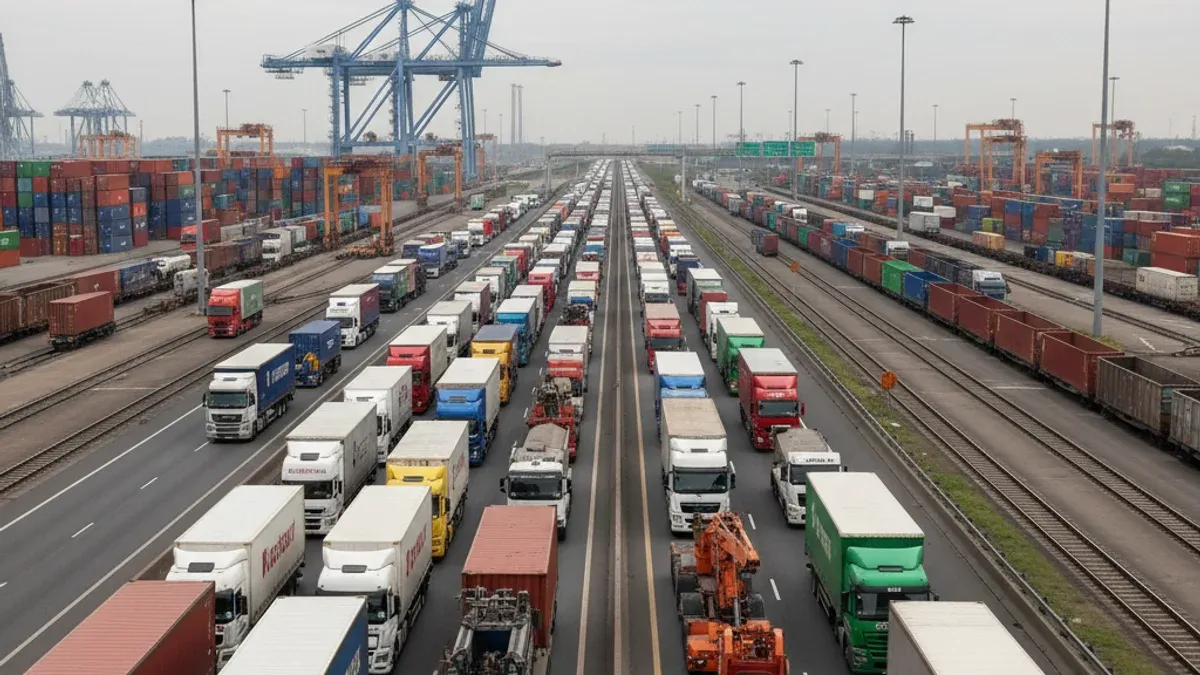
More than 60% of maritime cargo enters through Puerto Quetzal. However; ships queue for up to 50 days to be able to operate. This not only makes the products we consume more expensive; but also limits exports; delays investment and blocks foreign trade opportunities. As Charles Bland; president of CACIF; pointed out: "We feel it in prices; in jobs that are not created; in businesses that do not grow."
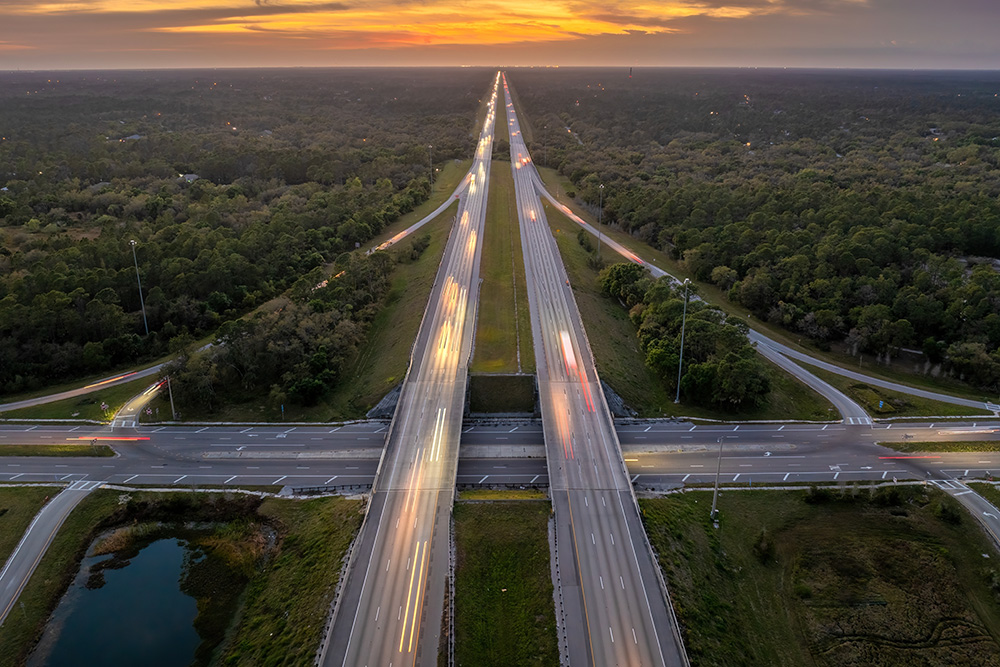
Added to this is a road system that forces transporters to travel at speeds as low as 8 km/h on strategic stretches; affecting the competitiveness of all productive sectors; as María Teresa González; president of the National Transport Coordinating Committee; pointed out.
The result is predictable but alarming: Guatemala is losing competitiveness in the regional investment arena; just as the world is experiencing a new wave of industrial relocation (nearshoring).
Infrastructure as an enabler of development
At the Pre-Enade 2025 forum; it became clear that without modern logistics infrastructure; high-impact investments will not be attracted. As FUNDESA summarised: "Ports; airports; roads and special economic zones must become the backbone that supports a more open; connected and prosperous Guatemala."
The recent approval of the Priority Road Infrastructure Law and progress on the Public-Private Partnerships Law open a window of opportunity to act quickly; technically and with vision.
The railway: a forgotten advantage that we must recover
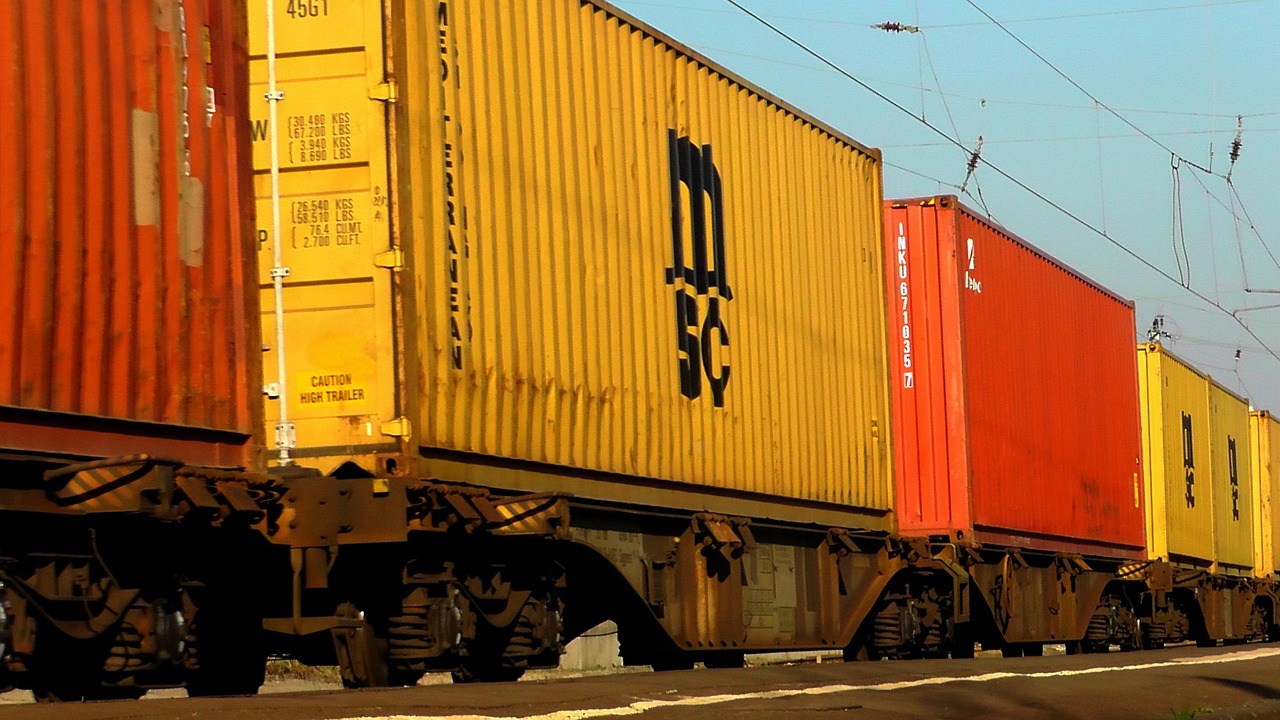
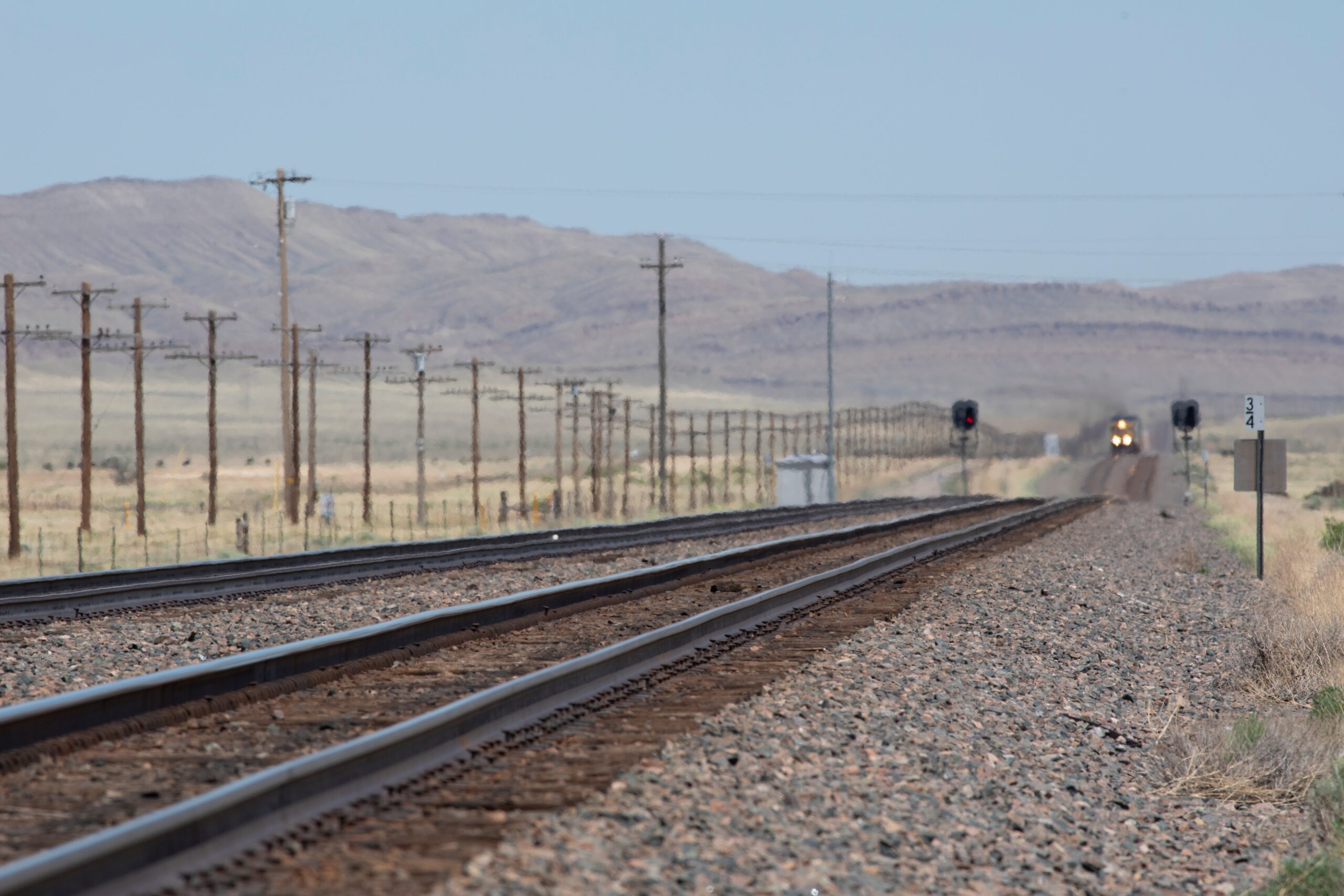
Part of the agreement with the United States includes an analysis of the rehabilitation of the railway system. This component is key. The train is one of the most efficient; sustainable and resilient ways to move goods on a large scale. In countries such as Mexico; Colombia and Chile; it has proven to be a catalyst for logistics integration; regional development and emissions reduction.
Reactivating the railway could transform the way Guatemala connects its ports with industrial areas; logistics parks and distribution centers; reducing pressure on roads and improving the quality of life for thousands of transporters and communities.
A strategic opportunity that requires business vision
At ERA Group; we believe that Guatemala is facing a historic decision. Modernising its ports; rehabilitating the railway and transforming its road network is not just an operational necessity. It is a national strategy.
As specialists in cost optimisation and business strategy; we have seen how logistics improvements in different countries translate into:
- Up to a 25% reduction in container transport costs.
- Better export agreements thanks to predictable infrastructure.
- Increased foreign direct investment thanks to shorter transit times and greater reliability.
Guatemala has the resources; the partners and now the political will to take this leap. But to take advantage of it; companies must prepare themselves: review their supply chains; model efficiency scenarios; identify critical points and build relationships with strategic allies.