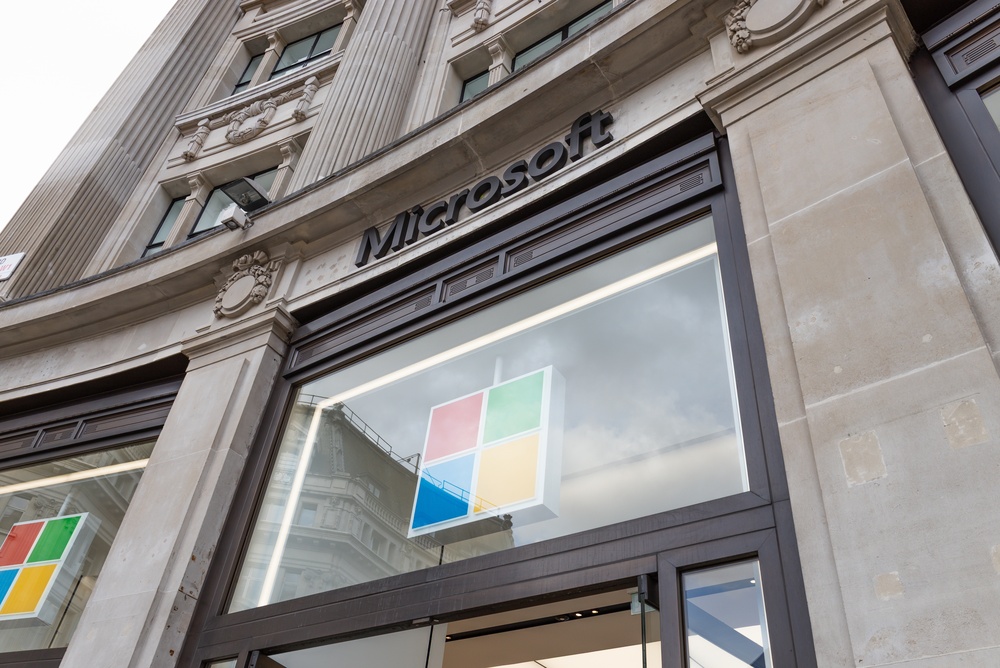


Oxford Street, London. For many, this location is the golden egg of traditional retail. The three-mile stretch of shopping paradise deep in the heart of London generates around £5 billion a year and hopes to get that figure up to £11 billion by the end of 2020. With grand plans for the future pedestrianisation of the area and the inclusion of nearby Bird Street as a location for technology upstarts, it seems that the famous London high street is not just healthy but flourishing.
However, this was not the feeling back in 2007, when the financial crash shook the industry to its core. A lack of spendable income and consumer confidence saw the retail sector suffer huge depreciation. 2008 and 2009 were the worst years for store closures as companies ceased trading, and many high streets continue to suffer a decade later. So far this year, approximately 14 stores are closing every day across the UK, with London the worst hit area of them all.
At the same time, a very different threat was beginning to emerge in the form of e-commerce. In January 2008, as the British retail sector was reeling from the crash, Internet transactions hit a high of 5% of all sales, and that number continued to rise as the traditional high street struggled. By August 2018, that figure had more than trebled to 18%. Economic confidence may have returned, but now traditional retail is under even more significant threat from on-line purchasing, one that will not go away no matter how much support is given to retail in the 2018 Budget.
Despite the competition of online shopping, Oxford Street in London continues to flourish. Retail is a hugely important and continuously growing industry in the United Kingdom. So, what can the rest of the country learn from Oxford Street and the evolution of modern shopping?
The Birth of the British High Street
Britain has always been a nation of shopkeepers – Napoleon said so himself. The image of butchers and milkmen selling their wares at wooden market stalls in old villages forms the backdrop of many of our thoughts about primitive Britain and the birth of ‘retail’. The high street, however, was created by urbanisation during the 1860s. As the population no longer had the space to grow their food, the need for accessible sellers of basic goods became paramount. Like much of the UK’s architecture, many of the country’s high streets were born from this primitive requirement.
However, it is not just need that created the high street. A major part of the high street’s success was its convenience, the ability to purchase everything you need on one stretch of road. This also worked alongside a social aspect that defines British culture. An example of this is Carnaby Street. Seen as the birthplace of ‘Swinging London’, this musical street housed a range of different men’s and women’s fashion outlets, allowing people to buy everything they could want while revelling in the sounds of the time.
The Boom of E-Commerce
Convenience created the high street, and it has also given birth to its biggest rival. E-commerce has been around for a while – Amazon and eBay launched in 1994 and 1995 – however, the mass proliferation of the modern internet has given consumers access to a range of goods from any destination. People can buy living room furniture from their own home and groceries from their work desk.
However, it’s worth noting that online commerce has also had to fight through its problems. ‘Boo.com’ is often cited as an example of an early internet company predicted to do great things purely because of the excitement e-commerce had generated. The fashion outlet launched in 1999, and collapsed in 2000, draining around $135 million.
Look again at the statistic from earlier: in the current boom of online interaction, only 18% of all retail sales are through this source. It is clear that more than the internet is needed to create e-commerce success, and in the period between 2007 and 2010, conventional retail suffered the perfect storm.
The economic crash led to consumers closing their doors on the high street. Many needed to be more frugal with their spending, creating a more attentive audience that were willing to look around for the lowest price. However, the thought of spending hours behind a computer screen still put many off.
Then came the smartphone. Whilst the original Apple iPhone launched in 2007, it wasn’t until a few years later, when the technology was wholeheartedly adopted, that the effects began to be felt. At first, they were camouflaged by the aftermath of the recession, but now the clouds have cleared.
In 2017, 82% of UK residents made an online purchase, more than any other country in Europe. The culmination of consumer distrust, a need for value, the growth of competition online and the convenience by which it could be accessed has led us to this situation where many high street stores are struggling.
A Future Marriage
Yet, Oxford Street continues to thrive. A study in 2017 crowned it the busiest street in Europe, with an average footfall of 13,560 an hour. It would be easy to say that the convenience of one of Europe’s most connected cities allows people to reach Oxford Street, driving sales. However, Oxford Street is also one of the most polluted in the world, frequently passing the legal threshold for air contamination. This should be enough to put off most of the younger, health conscious consumer base that frequently fills locations such as the Nike flagship store – but it is not.
It appears that Oxford Street holds the key to the future of bricks and mortar retail. People don’t go to Oxford Street merely to buy, they go for the atmosphere surrounding it, just like how people used to fill Carnaby Street. They go for the ‘experience’.
This is how experts see the high street transforming over the long-term. Whilst fashion outlets have seen a net decline of over 100 stores in the first half of 2018, bookshops, ice cream parlours and hair and nail salons have all seen increases. By merging these experience outlets with traditional stores – such as a toy shop with unique ice cream, or a fashion outlet offering on-trend hairstyling – traditional stores will be able to attract new footfall.
It’s also worth noting the importance that traditional retail plays for the online sector. Other than the two successful outliers, the biggest companies in the UK e-commerce market all have physical stores to accompany their online efforts. It is likely that the future will continue this marriage between the two.
Over time, Britain’s high streets will be full of exciting, engaging experience stores selling the latest items with something extra – imagine buying brand-new shoes at a concert or doing your freelance work in a stationary store. Slowly over time, the British high streets will fill with audiences looking for the next exciting event, just like Carnaby Street in the 1960s.
About the Author: Tracy Follows
Tracy is one of Expense Reduction Analysts most experienced associates who has personally helped many clients improve the effectiveness of their non-core purchasing and reduced their operational costs by millions of pounds in the process.