Wszystkie posty
W dniu, w którym na wyświetlaczu licznika prądu pojawił się komunikat „brak zasilania”

You want to keep the freedom to choose as you go, so you drive along calmly, thinking that when the time comes, you’ll find a room without any trouble.
It’s not peak season. There are no conferences. There are dozens of hotels.
So you book late. Or even on the same day.
And when you arrive in the city… everything is fully booked.
If you’re the type who plans ahead, this has probably never happened to you.
But if you’ve ever planned a trip on the fly, you know the feeling: stress, uncertainty, and the uncomfortable question of what to do next.
Something similar is starting to happen with electricity.
And the same goes for energy cost optimization.
For years, the energy conversation in companies has revolved around one question:
“At what price do we buy energy?”
But now another question is beginning to emerge—one that until recently seemed unlikely:
“Will there be capacity to connect us when we need it?”
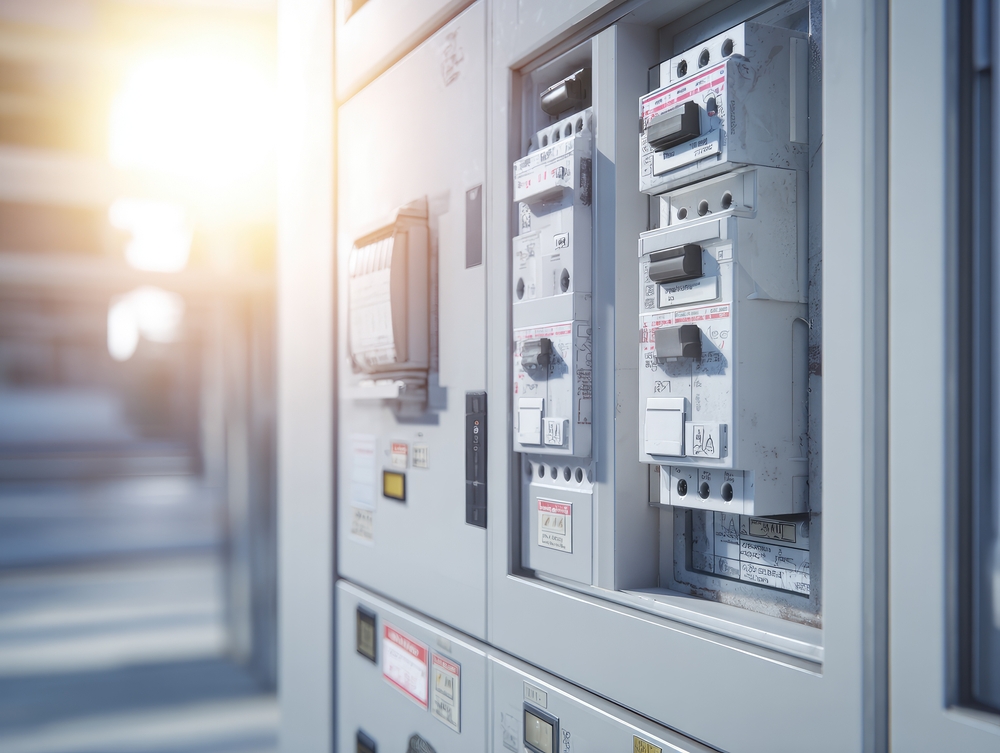
According to data published by Red Eléctrica, only 25% of the connection points in the transmission grid currently have available capacity for new demand.
In other words: three out of every four “outlets” on the grid are already saturated.
And this doesn’t just affect new industries.
It affects expansions, new production facilities, data centers, and urban development projects.
And, of course, it can also affect your company.
When it’s overloaded, you don’t notice it.
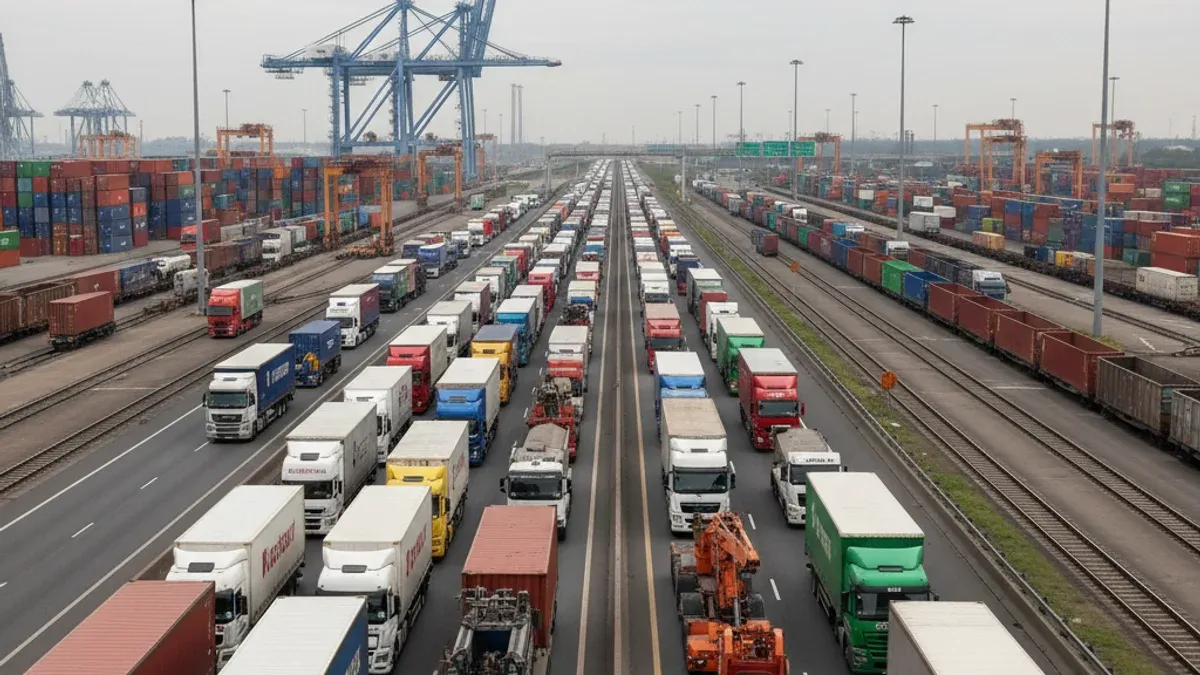
There are no visible traffic jams.
There are no red lights.
There is no clear sign that the system is reaching its limit.
And yet, the impact can be enormous.
You surely remember last year’s massive blackout; it came without warning and faded from our memory. No one saw it coming.
According to energy analysts themselves, a collapsed grid can delay the establishment of new industries or strategic investments for years.
In other words: the problem doesn’t show up on the bill.
It shows up when your company wants to grow.
The price is negotiated, the contract is signed, and the matter is filed away as “resolved.”
But when the infrastructure starts to reach capacity, that approach is no longer enough.
Because it’s no longer just about how much energy costs.
Because it’s no longer just about how much energy costs.
It’s about whether you’ll be able to access it when your business needs it.
And at that point, energy ceases to be an operational issue.
It becomes a strategic decision.
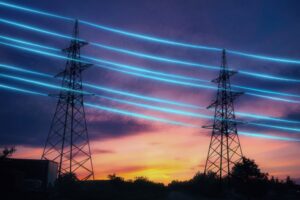
The problem isn’t that there’s a shortage of electricity.
In fact, Spain is breaking records for renewable energy generation.
The real problem is something else: while more and more energy is being produced, the grid that must transport it isn’t growing at the same pace.
By 2024, around 8% of the renewable energy generated was already being wasted, and by 2025 that figure had doubled.
Meanwhile, new industries wait years to get connected—that plug they need to start operating.
It’s like a city full of hotels… but with very few rooms available.
Those who book months in advance.
And those who arrive thinking that, somehow, they’ll find something.
In the energy sector, unfortunately, there are still many companies that operate like those second types of travelers.
Companies that anticipate what they will need in the future—whether new plants, expansions, or process electrification—have a better chance of securing that desired connection.
Those who wait until the last minute face a problem that has nothing to do with price.
It depends on the available capacity in the grid.

If your company relies on electricity to grow, run processes, or expand production, you might want to start asking yourself some questions:
The real mistake is usually realizing too late that there is no available capacity when your company needs to grow.
And then the problem is no longer the price.
The problem is that there’s no outlet.
And at that point, there’s nothing left to do but wait for capacity to become available on the network.
Something that can take years.

At this point, I’m sure your company doesn’t want to rely on luck.
Companies that plan their grid access in advance have room to make decisions.
Those that don’t simply depend on the system’s availability.
Because managing costs is one thing.
And managing uncertainty is quite another.
If you want to analyze your company’s exposure to this problem and explore options for anticipating it, we can review it together.
Because in the energy sector, getting there first often makes all the difference.
Thank you for reading another week.
Have a great day.