Il calendario speciale della tua azienda: perché gestire i costi significa gestire il tempo.
Pubblicato il:
December 23, 2025
Contenuto
Questo sarà l'URL da copiare
Your Company’s Special Calendar: Why Managing Costs Is Managing Time.
The Mistake Made by Companies That Believe There Will Always Be TimeEarlier this year, I told you that I don’t have a regular calendar on my fridge—I have a memento mori.
It’s a calendar that doesn’t tell you what day it is.It reminds you of something much more uncomfortable: that your time is finite.
Every week that passes, you cross it off.And you don’t cross off “what you’ve lived,” but what will never return.
The calendar assumes the theoretical time you have left, based on the fact that average life expectancy is about 85 years. It’s simple. Visual. Uncomfortable.
And, without realizing it, it taught me a lot about business cost management
How much time do you have left?
The third week I crossed off, I realized something that seems silly, but isn’t.
It wasn’t a “how’s your year going.”
It was a “how much time do you have left.”
How much time do you have left to make the most of life?
And the funny thing is, I didn’t feel anxious.
I felt a clarity I hadn’t expected.
Because when you realize that life isn’t infinite, you change the kinds of decisions you make.
That’s exactly when I understood that this can be applied to businesses.
Because if there’s one thing people and businesses have in common, it’s this:
Poorly managed time always comes at a high cost.
And I’m not just talking about clock time.
I’m talking about financial, operational, and strategic time.
The kind that many companies continue to treat as if it were infinite…
until December rolls around and they discover it wasn’t.
The metaphor that memento mori offers any company
If you stop to think about it, your company also has its own silent calendar.
Weeks when it grows.
Weeks when it holds steady.
And weeks when it survives rather than moves forward.
But above all, it has something that is almost never measured: a limited window to react.
When costs rise.
When demand shifts.
When the supply chain gets bogged down.
That window for reaction is something many leaders in the retail and wholesale sectors already recognize as the biggest obstacle to achieving their goals in the coming months.
In other words: reaction time is finite, and you must know how to use it well.
And yet, many companies act as if they have years of guaranteed stability ahead of them.
The memento mori, without intending to, raises a question that every company should hang in the boardroom:
How long can you afford to keep managing your costs the way you have been?
Time isn't static, and neither is your company.
When you read expert analyses on cost optimization, one idea keeps coming up this year—and it will surely sound familiar to you.
Although 2025 has been a year of growth for many companies, it has also been accompanied by significant friction.
Finance leaders are saying, almost in unison, things like this:
that the supply chain and the availability of qualified personnel have been the main obstacles in 2025 and will continue to be so in 2026;
that material and logistics costs have been the hardest and most unexpected blows of the past year;
and that, even in growth scenarios, short-term profitability is now the top concern, while technology and sustainability are beginning to dominate the strategic agenda.
If you think about it, this is exactly a business memento mori:
A reminder that time moves in cycles, and that each cycle demands a different response.
You can’t wait until you have a problem to react.
By the time that happens, you’re already counting down the weeks.
The day I realized that memento mori was a management system
The day I understood the true value of memento mori was when I stopped seeing it as an existential reminder and started seeing it as a management system.
Not as something dramatic. But as a way to make better decisions.
Applied to business, the logic is simple: if you assume that reaction time is finite, you stop putting off uncomfortable decisions.
That’s why, following this philosophy, there are three questions any management team should ask itself:
What important decision am I still putting off because “there’s still time”?
Often, it’s not a lack of information. It’s an excess of complacency.
What am I holding onto that no longer makes sense to hold onto?
Contracts, processes, or structures that are maintained out of inertia, not because of their value.
What is costing me more than it actually brings me?
And not just in euros, but also in focus, energy, and room to maneuver.
Why is all this important right now?
Because today we know several things quite clearly:
40% of companies have prioritized cost optimization as one of their three strategic pillars for 2025.
Most are focusing on improving what already exists: supply chain, marketing, sustainability, technology, and artificial intelligence.
And they do so because these initiatives have a clear return on investment, typically within a 12- to 18-month timeframe.
The strongest trend is this: modernize to grow.
Gaining visibility into inventory.
Automating processes.
Reducing friction that currently consumes time and margin without anyone noticing.
At its core, cost optimization isn’t a financial obsession.
It’s a very concrete way to manage time strategically.
Just like in a memento mori.
A different December for your company.
This December 23rd, I’m not going to talk to you about resolutions.
Let’s be honest, nobody wants another list that vanishes by February.
But I do want to suggest something more useful to you.
Before the next operating cycle begins, create your own version of a business memento mori.
You don’t have to hang up a giant calendar or cross off weeks (unless you want to).
Just ask yourself three questions, calmly and without self-deception:1. Which area of your business requires immediate attention to protect your margin?Perhaps it’s pricing, energy, transportation, or any structural cost that’s currently putting pressure on profitability.
96% of companies plan to adjust prices to maintain margins. The question is whether your company is prepared to do it right.
2. What initiatives could you fund simply by optimizing what you already have?Many management teams are freeing up capital by adjusting contracts and indexing clauses, automating repetitive tasks, reducing waste, or improving visibility.
It doesn’t sound glamorous.
But it pays the bills and secures the future.
3. What are you putting off that, if you started it now, would change the health of your company in 12 months?Because that’s the realistic timeframe companies are using: 12–18 months to demonstrate impact
Your company operates within that timeframe too.
Not in a “someday.”
What I learned this year by checking off boxesAlthough it may seem otherwise, this year I haven’t learned to be more productive.
I’ve learned something much more useful:
The importance of reviewing before a process deteriorates.
That when you measure what you have, you can improve it.
And that the decisions you put off are usually the ones that end up costing the most.
Memento mori doesn’t teach you to fear the end.
It teaches you to do something useful with the present.
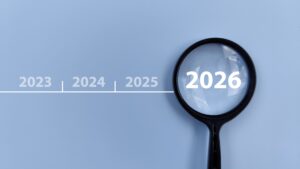
And if 2026 brings anything, let’s hope it’s clarity.
But growing with healthier margins, more agile structures, and costs under control changes a company’s life.
If you want to start the year with less noise, more focus, and a realistic plan to optimize costs, let’s talk.
And if not, I hope you have a wonderful holiday season.
Thank you for reading my posts for another year.May 2026 bring clarity rather than urgency.
And if not, at least may this article help you decide sooner.
L'ottimizzazione dei costi e lo sviluppo dei talenti sono fattori chiave nel 2026
Notizie
Il Gruppo ERA evidenzia quattro misure che le aziende possono adottare per aumentare l'efficienza e la resilienza attraverso l'ottimizzazione dell'uso dell'acqua
Notizie
L'aspetto strategico trascurato: il potenziale dei costi indiretti
Notizie
L'orologio continuava a funzionare, ma non si fermava
Notizie
La tua strategia "just-in-time" è ormai superata
Notizie
FX in America Latina
Notizie
Il tuo margine per il 2026
Notizie
Analisi delle strutture dei costi
Notizie
Il margine di profitto
Notizie
Vuoi dominare il 2026?
Notizie
Il costo nascosto di continuare a fare le cose «come abbiamo sempre fatto»
Notizie
Il tuo margine di vantaggio sta svanendo a causa di "piccoli dettagli"
Notizie
Se il tuo processo di checkout si basa su un file Excel, sei a rischio
Notizie
La tua azienda è sostenibile per convinzione o solo sulla carta?
Notizie
Risparmiare va bene, ma...
Notizie
Outsourcing: il costo che cresce da solo
Notizie
Nella logistica e nella distribuzione tutto è interconnesso
Notizie
Il risparmio nella pratica
Notizie
La mancanza di visibilità passa inosservata finché non si fa sentire
Notizie
Le commissioni bancarie non vanno in vacanza
Notizie
Sfruttare il periodo di calma estivo
Notizie
Lo scenario "per ogni evenienza" che alla fine costa caro
Notizie
Il costo che nessuno vuole affrontare
Notizie
Conformità senza sacrifici
Notizie
Calzolaio, costruisciti le scarpe da solo
Notizie
Una visione chiara del flusso di cassa effettivo della tua azienda
Notizie
Operar Agroindustria
Notizie
L'obiettivo dell'attuazione
Notizie
Emergenze che incidono sul bilancio
Notizie
Il problema non è l'analisi
Notizie
La scomoda verità sulla redditività
Notizie
L'ascesa dello streaming
Notizie
Momenti imbarazzanti per amministratori delegati e direttori finanziari
Notizie
Struttura fiscale ottimizzata per contratti di grande entità
Notizie
Investimenti nell'intelligenza artificiale
Notizie
Come si è chiuso il 2025 per la vostra azienda
Notizie
Ottenere risparmi concreti senza licenziare nessuno
Notizie
Cosa ti rivela dicembre sulla tua attività
Notizie
Aggrapparsi a ciò che conta quando tutto intorno a te cambia
Notizie
Senza una gestione dei costi, non c'è alcun impatto sostenibile
Notizie
Il valore della specializzazione: il nostro segreto al Gruppo ERA
Notizie
Individua i costi nascosti nelle bollette dell'elettricità
Notizie
La vostra azienda è un anello della catena di approvvigionamento
Notizie
Sponsorizzazione del torneo di golf interclassi di Markham
Notizie
Gestire un'azienda è come giocare a scacchi
Notizie
Progetto di legge sui fornitori del settore minerario a San Juan
Notizie
Una nuova alba economica
Notizie
Maggiore sostenibilità finanziaria per una prestigiosa istituzione sportiva cilena
Notizie
Quando il viaggio è ben organizzato, le pratiche relative all'acquisto passano quasi inosservate
Notizie
La sostenibilità non è una spesa, ma una fonte di risparmio e di leadership
Notizie
Cosa succede se “invertiamo” l’EBITDA?
Notizie
Da quando è scoppiata la guerra con l'Iran, gli investitori spagnoli hanno raddoppiato i propri investimenti nel settore petrolifero e del gas
Notizie
Non è possibile prevenire un terremoto. Ma è possibile adeguare la propria struttura dei costi.
Notizie
RIGI: il nuovo linguaggio degli investimenti
Notizie
Quanto sta perdendo la tua azienda nella gestione MRO?
Notizie
Il ritardo non è il problema. Il problema è come si impiega quel tempo.
Notizie
Si sta valutando l'impatto dei dazi sulla geopolitica e sul settore della fonderia
Notizie
Il tuo marchio sopravviverà o avrà successo?
Notizie
L'IA generativa nella gestione delle spese di Palibex durante l'evento iFAES
Notizie
Una prospettiva interdisciplinare sulla finanza e la sostenibilità
Notizie
Il mare è lo stesso per tutti; ciò che cambia è chi sta al timone
Notizie
Dazi, geopolitica e fusione: perché il vero impatto non sta nel prezzo, ma nella pianificazione
Notizie
Ottimizzare il consumo energetico è come portare con sé un adattatore
Notizie
Il giorno in cui anche l'elettricità ha iniziato a segnare "senza corrente"
Notizie
Il conflitto in Iran incide sulle tariffe fisse dell'elettricità e del gas
Notizie
ERA Group individua quattro sfide fondamentali che costringono le società di servizi professionali ad agire con urgenza
Notizie
L'80% dei risparmi non si trova dove solitamente li cerchiamo: come ragiona un direttore finanziario quando i profitti calano
Notizie
ERA Group offre 10 consigli per ottimizzare i costi del vostro franchising in un contesto internazionale caratterizzato da numerose incertezze
Notizie
Manuel Velázquez scrive su El Debate nel suo articolo di febbraio dedicato all'energia
Notizie
Microsoft modificherà i prezzi nel 2026. La cosa più interessante non è l'aumento dei prezzi.
Notizie
Il Gruppo ERA nomina Marcel Lal nuovo responsabile globale dello sviluppo per guidare la propria crescita internazionale
Notizie
Ottimizzare le prestazioni per una giornata normale non ti sarà d'aiuto in una situazione critica
Notizie
Otto tendenze per il 2026: prezzi, passione e i rischi all’orizzonte
Notizie
Il Gruppo ERA individua dieci fattori chiave per la creazione di catene di approvvigionamento pronte ad affrontare un mondo in continua evoluzione
Notizie
Giornata mondiale della logistica: perché le aziende non possono più permettersi una logistica reattiva
Notizie
Cosa ho imparato facendo immersioni alle Maldive sull’importanza di capire cosa conta davvero quando si tratta di costi
Notizie
Energia: il costo non si limita ai kWh.
Notizie
5 tendenze da tenere d'occhio nel 2026 nel campo della gestione della catena di approvvigionamento
Notizie
Il settore alimentare spagnolo sta adottando un atteggiamento cauto di fronte alle nuove minacce tariffarie tra gli Stati Uniti e l'Unione Europea
Notizie
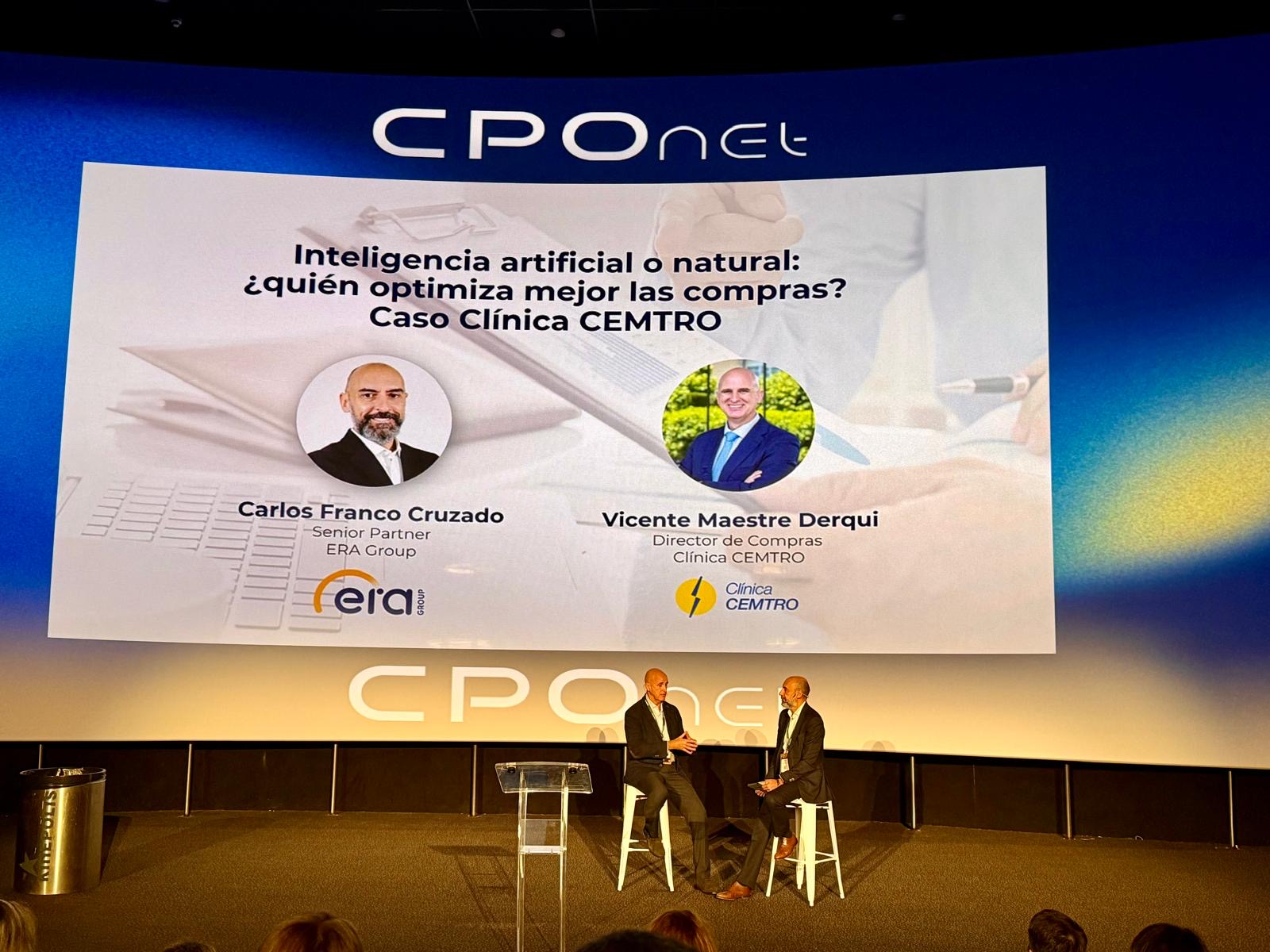
Il team ERA partecipa a CPONet 2025
Notizie
Il 2025 in sintesi: costi, complessità e il percorso verso il 2026
Notizie
Dall'apparente stabilità alla gestione del rischio: cosa devono imparare le aziende del settore energetico e dei trasporti in vista del 2026
Notizie
Nuova testimonianza video con Jordi Romero, amministratore delegato di Schmitz Cargobull Ibérica S.A.
Notizie
L'armadio del direttore finanziario: quando hai tutto, ma niente si abbina
Notizie
Dal controllo reattivo a una strategia lungimirante
Notizie
Il settore logistico spagnolo
Notizie
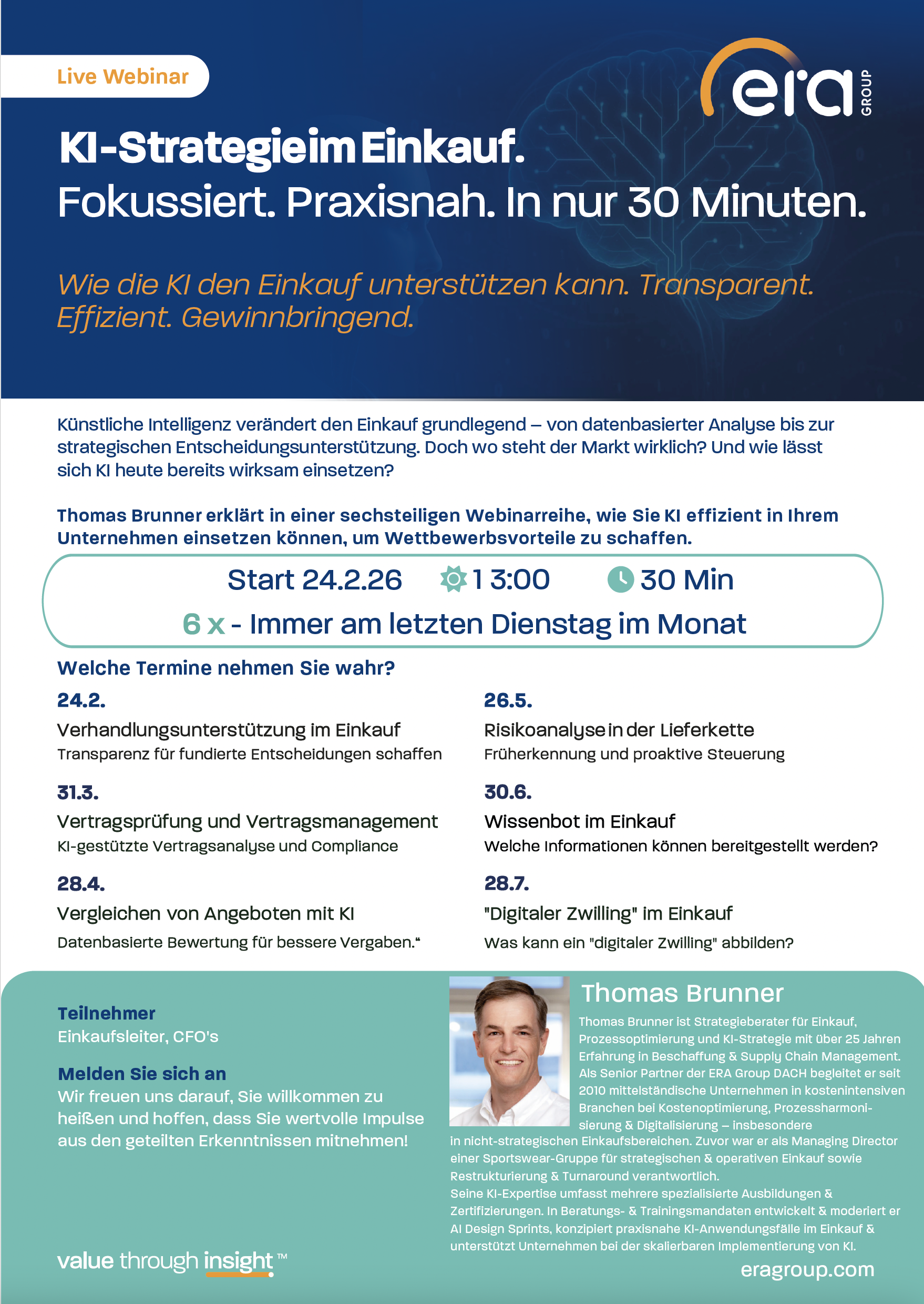
Strategia di IA negli appalti: serie di webinar pratici per i responsabili delle decisioni
Notizie
Cosa mi hanno insegnato gli Incas su come tenere sotto controllo i costi in una grande azienda
Notizie
Il settore del trasporto ferroviario di merci richiede una logistica più competitiva e sostenibile, ben integrata nel contesto europeo
Notizie
Espansione strategica della dirigenza: ERA Group DACH rafforza i reparti di marketing e reclutamento dei franchisee
Notizie
Intervista al nostro nuovo partner: Arthur Dobma
Notizie
Romnes AS stipula un accordo di collaborazione con ERA Group in materia di analisi dei costi
Notizie
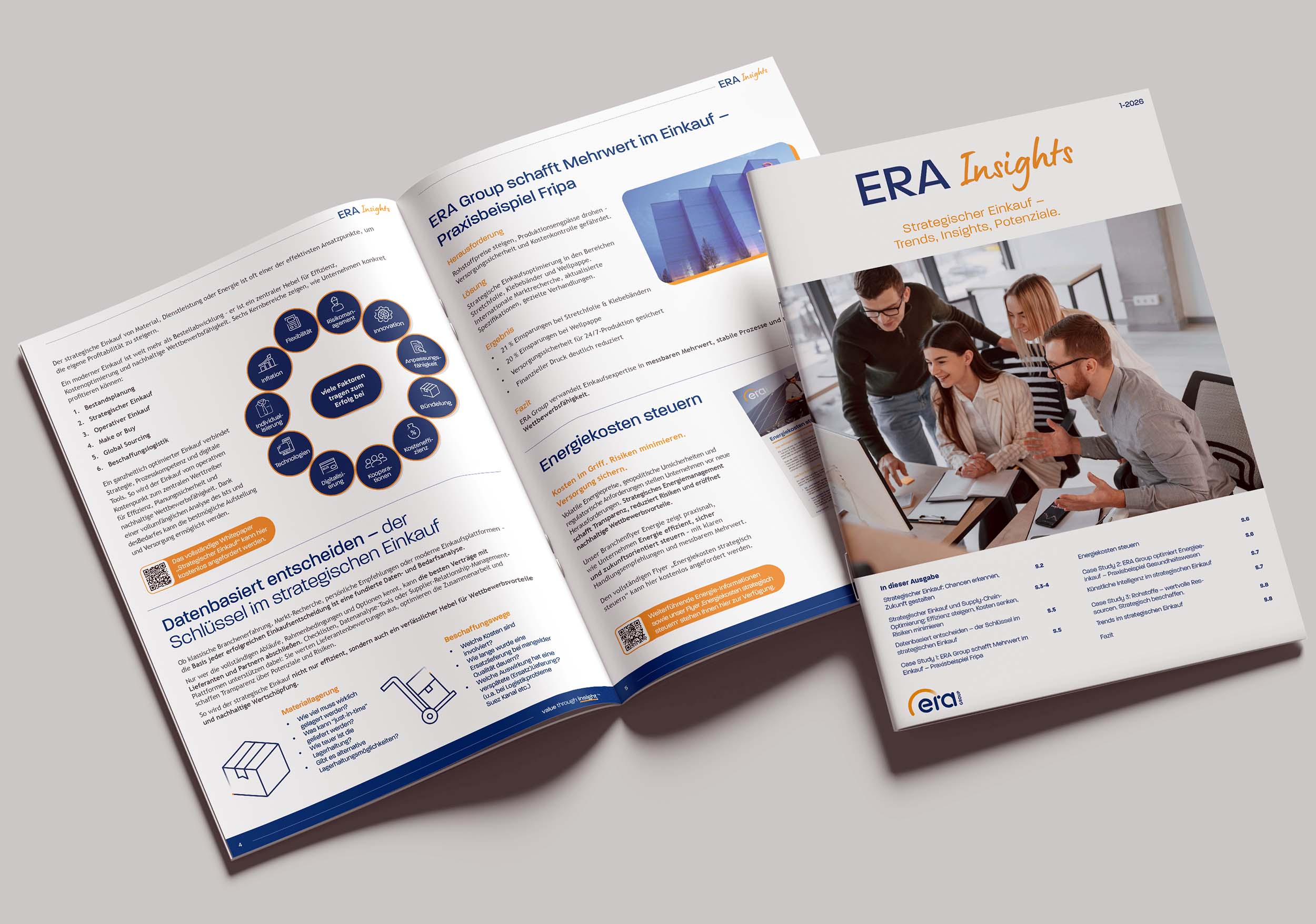
Newsletter ERA Insights del 26 gennaio - Approvvigionamento strategico
Notizie
Stéphane Verwilghen diventa socio di ERA Group
Notizie
Webinar con Dominique Seux: la sua presentazione in 6 punti chiave
Notizie
Sintesi del webinar: "Consegna dei pacchi: comprendere le strutture tariffarie ed evitare le insidie"
Notizie
Consigli degli esperti: è uscito il numero dedicato agli imballaggi in cartone!
Notizie
Sintesi del webinar: PMI - Dalla gestione del rischio alla gestione assicurativa
Notizie
Sintesi del webinar: "I costi nascosti del lavoro temporaneo"
Ottieni informazioni utili per far crescere la tua attività
Grazie! La tua richiesta è stata ricevuta!
Ops! Si è verificato un errore durante l'invio del modulo.