Toate postările
Ce am învățat în timpul scufundărilor în Maldive despre cum să identifici ce contează cu adevărat în ceea ce privește costurile

This was one of those.
I went to the Maldives over twenty years ago, as part of a promotion for a new flight route when I was working at a travel agency.
We stayed in a simple beachfront cottage, with no air conditioning and very little luxury. Nothing like what you see in today’s Maldives travel brochures.
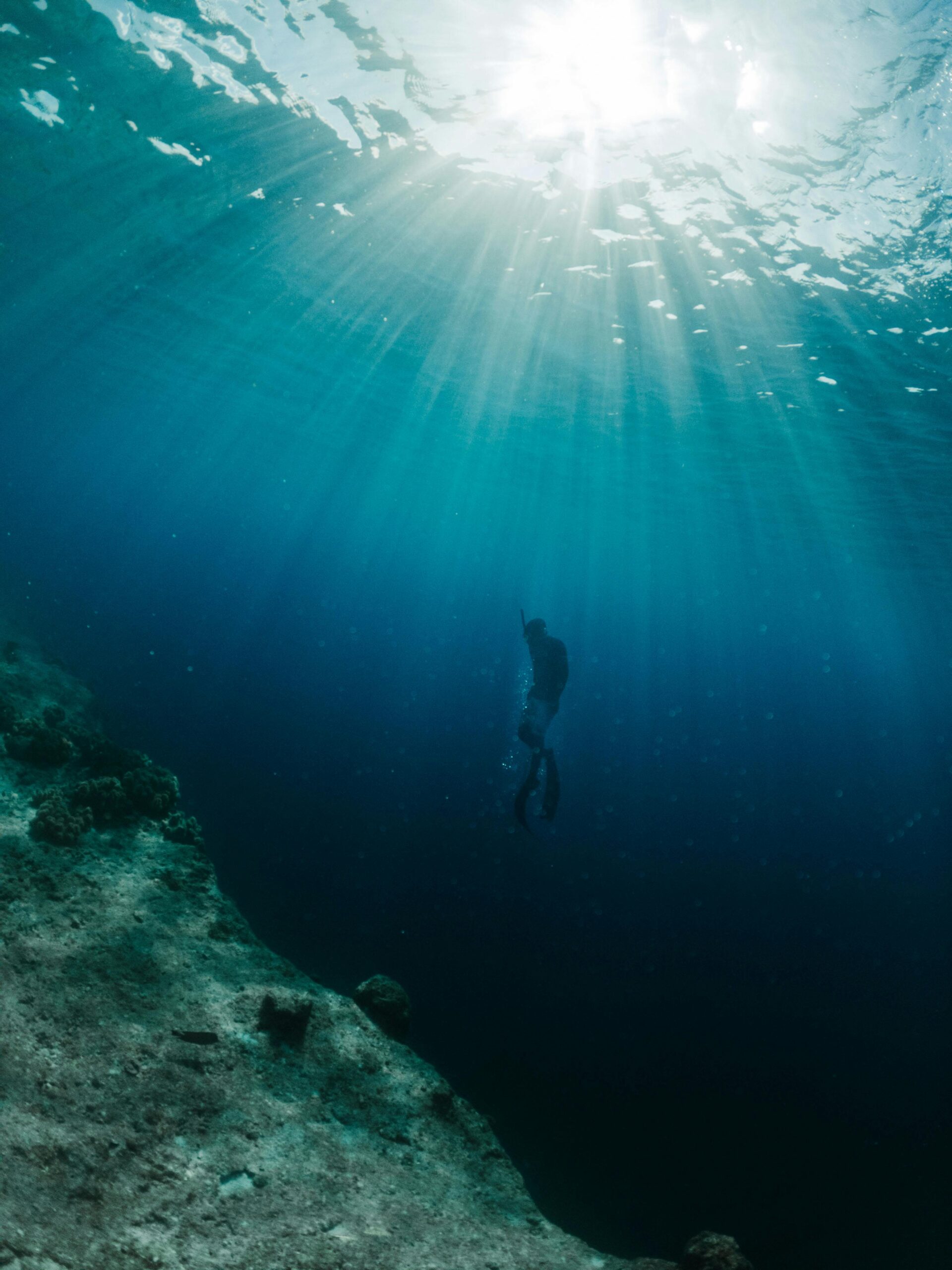
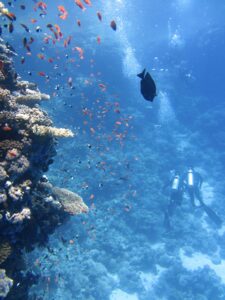
And maybe I haven’t told you that whenever I can, when the location allows it, I go scuba diving. My father taught me to dive, and it’s something I love to do at any destination with an ocean.
For me, it’s not just about seeing beautiful things. It’s a way of being.
The sound of the sea from within, the currents, the fish, the corals, that feeling of weightlessness. It’s a way to silence the mental noise.
And over time, diving teaches you something very important: what’s essential is almost never in plain sight.
It’s exactly the same with costs in companies.
The same is true for business costs.
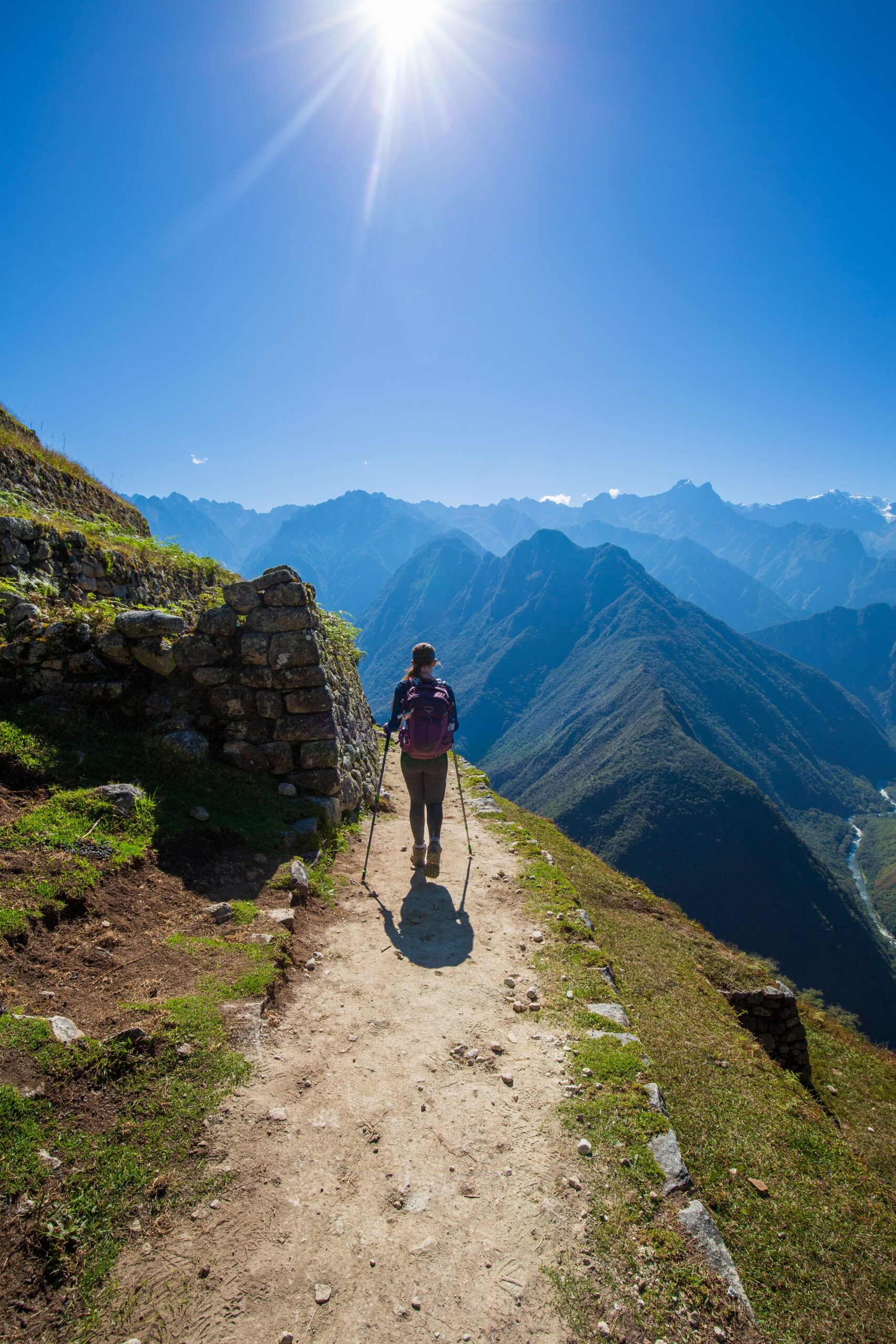
If I can, I walk through the woods or the jungle, climb a mountain,...
And always, always, I go to the markets and eat where the locals eat.
I’m not so much interested in restaurants as I am in understanding how real life unfolds.
And also, as I’m telling you today, I go scuba diving.
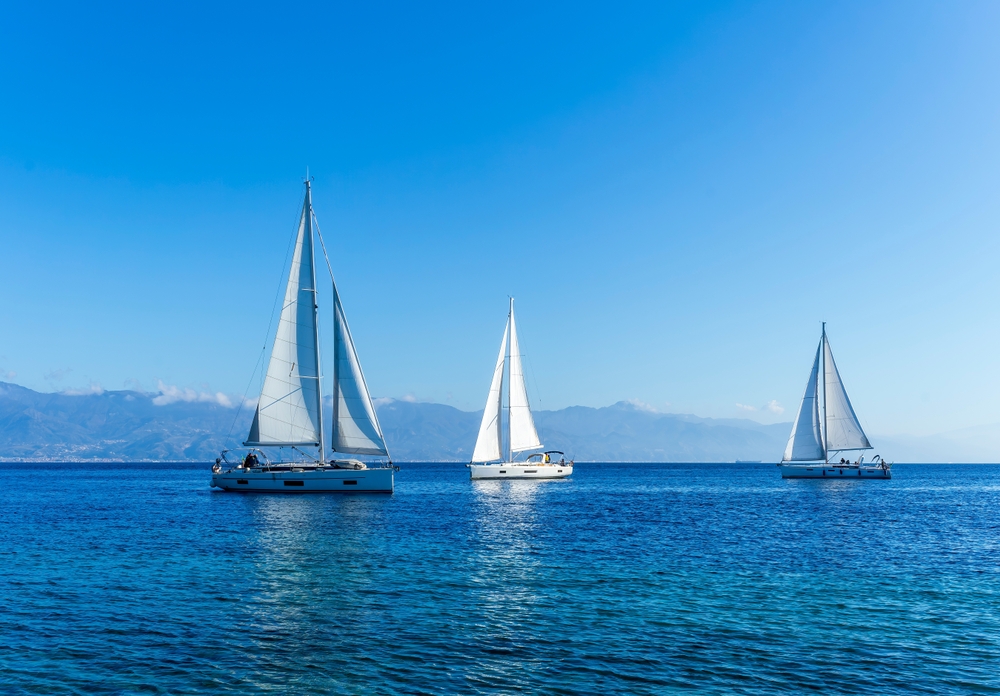
The Maldives, from above, is already spectacular: turquoise water, perfect beaches, almost like an idyllic postcard.
But that’s just the surface.
What you can’t see is the most impressive part.
And on that trip, there was a moment that has stayed with me forever.
I’ve always been more interested in understanding what makes a place what it is than in what you see in photos.
There are areas where krill congregate in large numbers, and the manta rays always arrive at roughly the same time.
We descended to the bottom of the sea and stayed there, kneeling, waiting.
You don’t do anything; you just wait.
And then they appear.
And then they appear.
Majestic, enormous, elegant, gliding gracefully over you as if they were flying.
They open their mouths, feed, passing so close that you can almost feel the movement of the water.
And there, beneath the water, you understand something very simple:
The world is so much bigger than your day-to-day life.
That working, rushing around, and putting out fires isn’t everything.
That there are invisible structures, natural rhythms, and balances that can’t be seen from above.
None of that is obvious unless you go deep enough.
In companies, this means:
When I talk to CEOs and CFOs, I often encounter the same situation.
They believe they already know their costs because they review them every month.
And they certainly have a lot of information and know their numbers well.
But sometimes time robs us of the ability to analyze in depth.
Just like in diving, costs aren’t about just glancing at them.
They’re about observing, understanding the currents, respecting the timing, and knowing where to position yourself.
Because what matters most isn’t usually what stands out the most, but what sustains the system without anyone noticing.
And that requires diving down more than once.
Something similar happens with costs.
When a company enters crisis mode, the first thing it does is:
They know:
It provides solidity.
If you start today:
Cost optimization isn’t just about looking at the big numbers; it’s about digging deeper to see what truly sustains the system.
Look deeper.
Beyond what is visible.
Beyond the immediate.
Because, just like in the Maldives, the most valuable thing wasn’t in the cabin or on the beach.
It was underneath, in silence, waiting for someone to take the time to look.
If you want to talk about how to dig deeper into your company’s cost structure to see what lies beneath, just drop me a line.
Vă mulțumim pentru atenție.
Felix.